At Shriners Children’s, families find internationally recognized craniofacial care, hope and compassion.
Sometimes a new baby or adopted child has a difference in their smile or the shape of their face, nose or chin, known as a craniofacial (head and face) difference. Conditions can range from mild to severe.
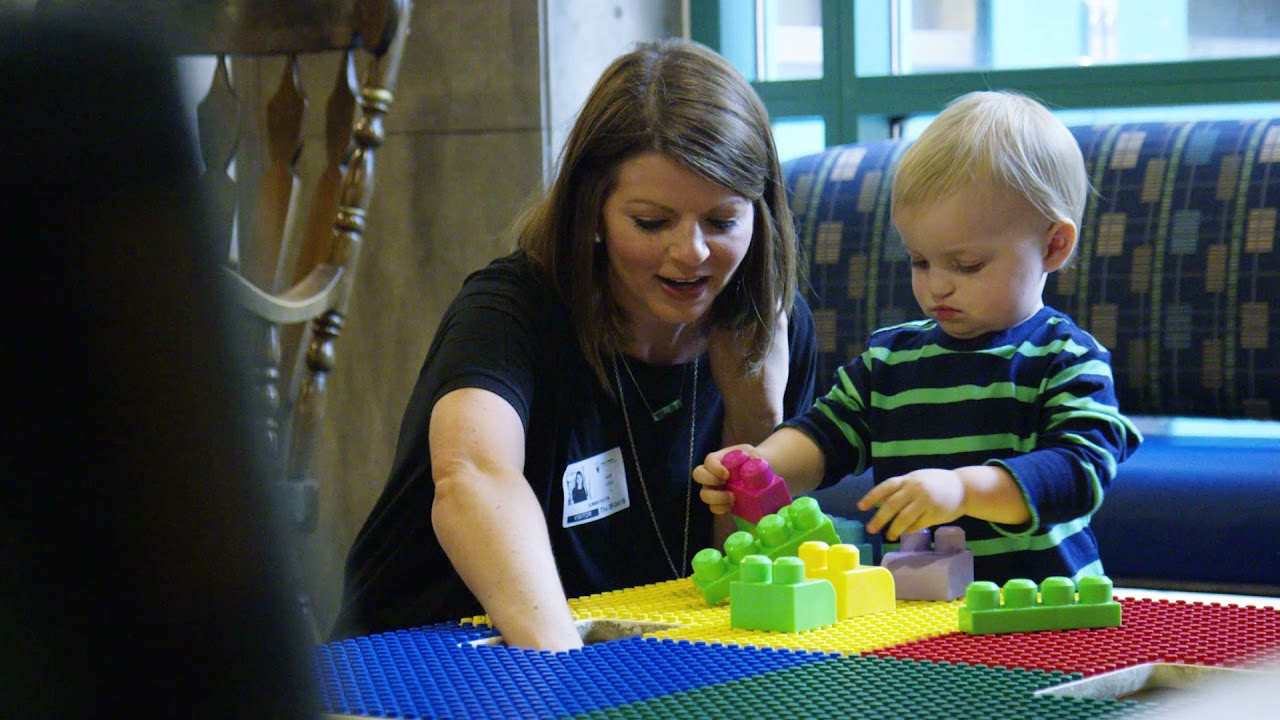
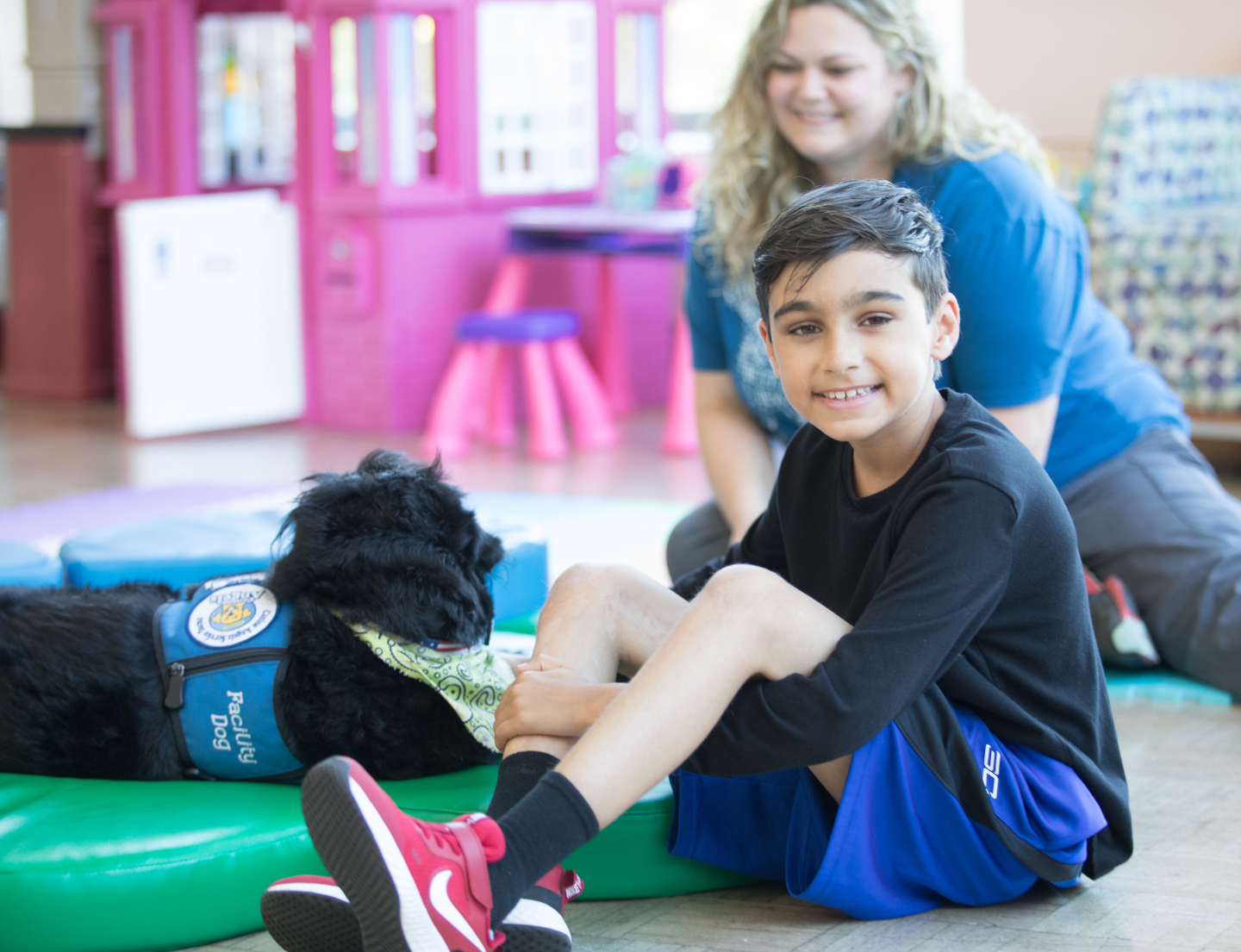
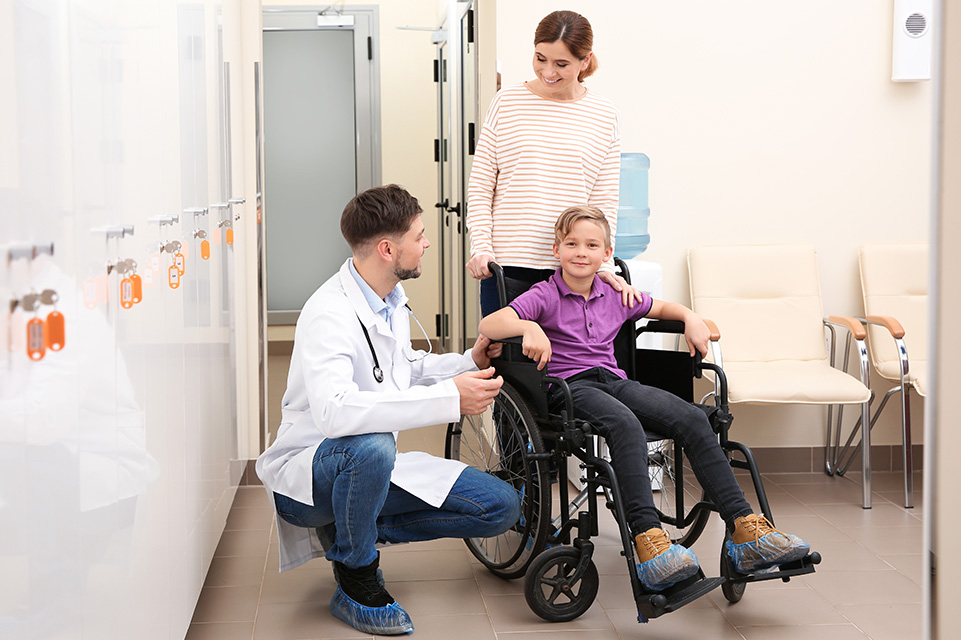
Shriners Children’s specialists can help with the physical, social, emotional and developmental challenges that occur when a child has a congenital (present at birth) or acquired (develops later) condition. We provide a team approach at child-friendly facilities, where multiple specialists see the child all in one day. It is our goal to make medical care convenient and friendly for the child and parent.
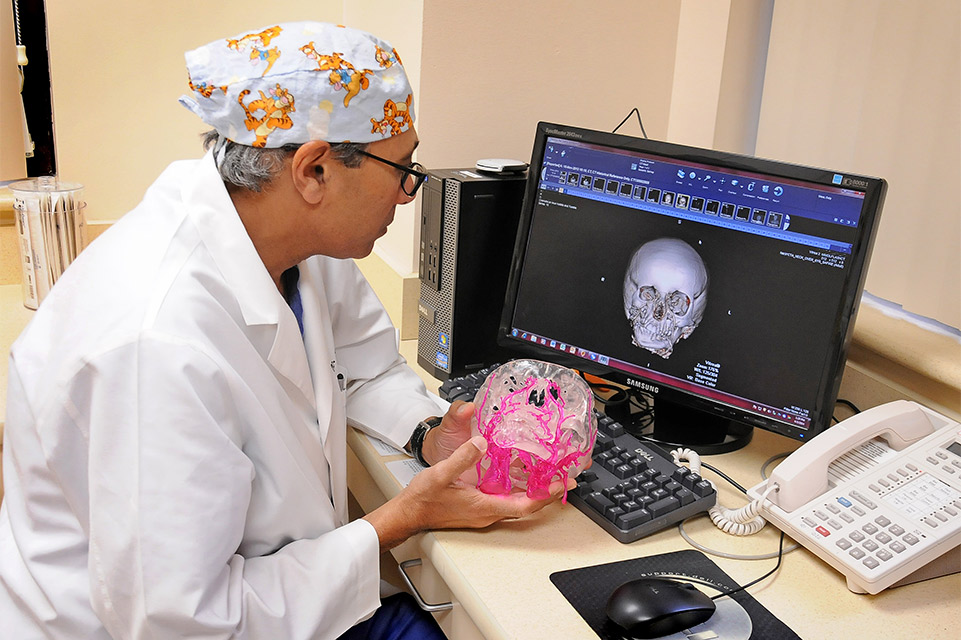
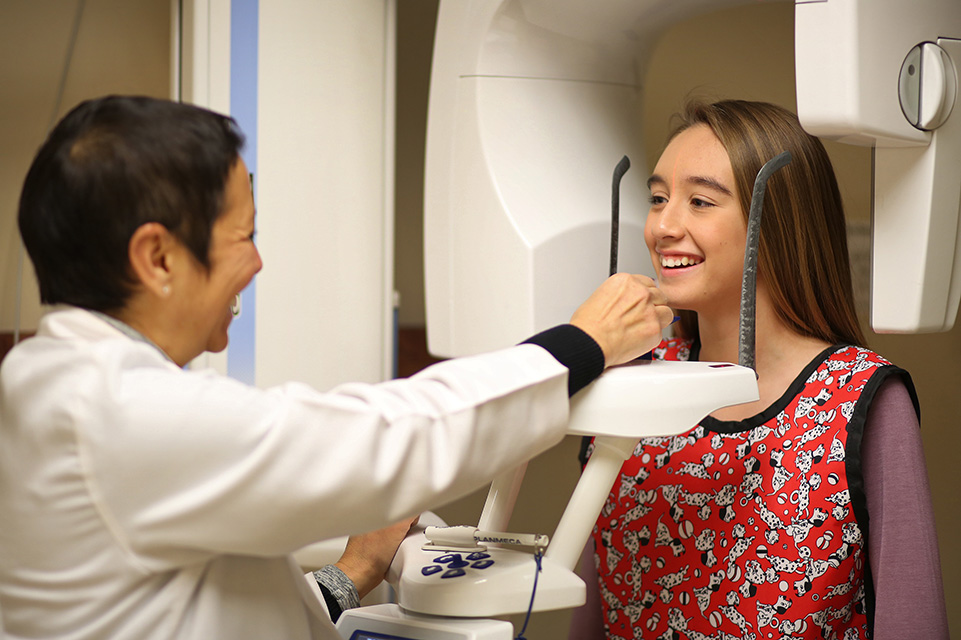
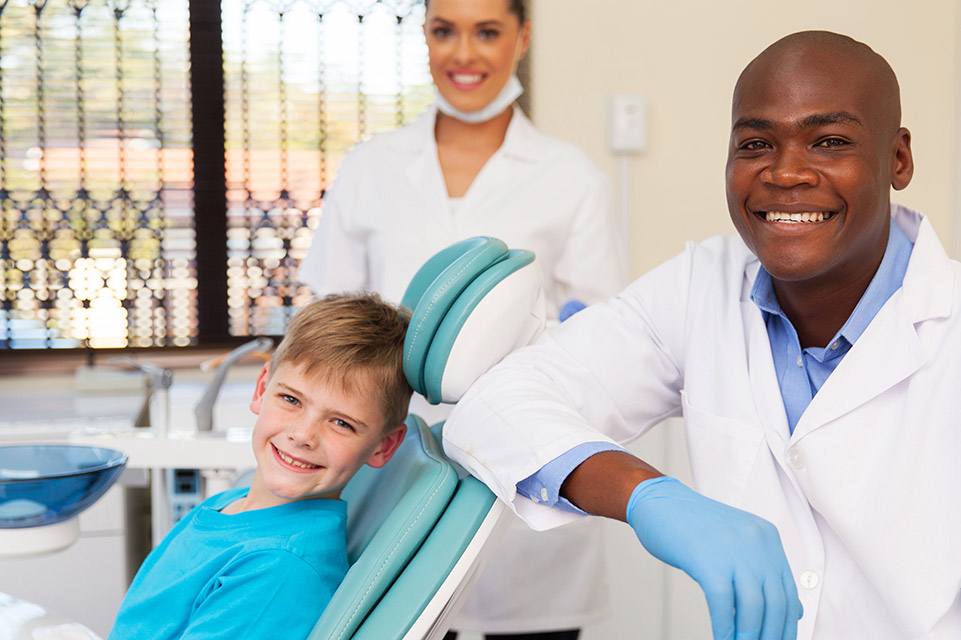
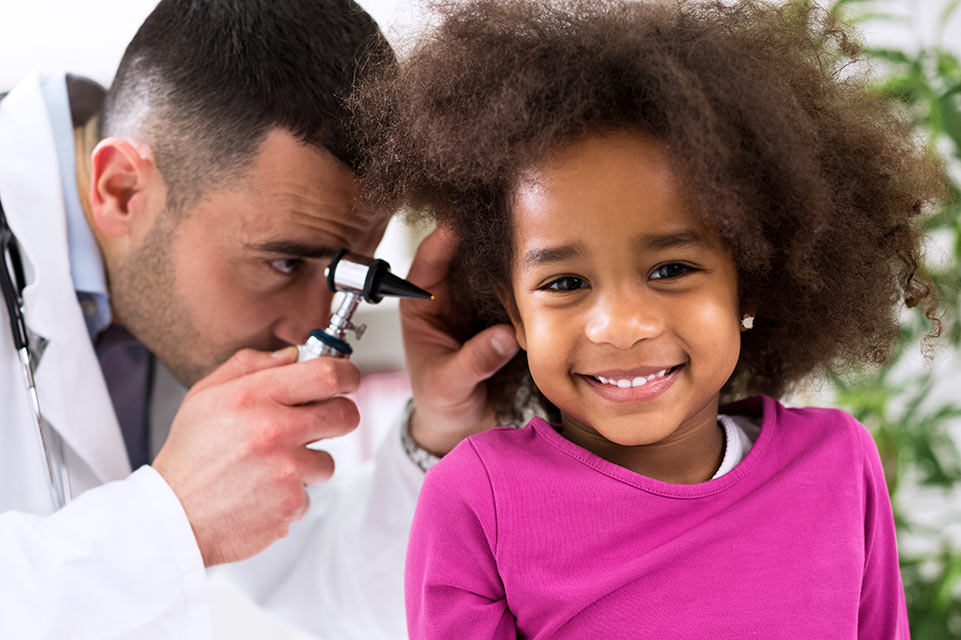
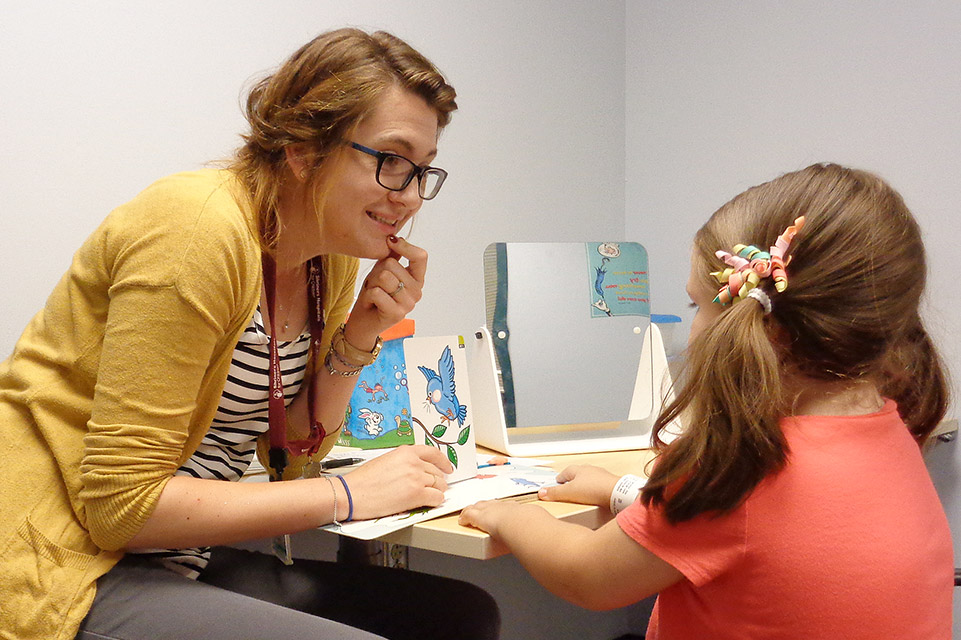
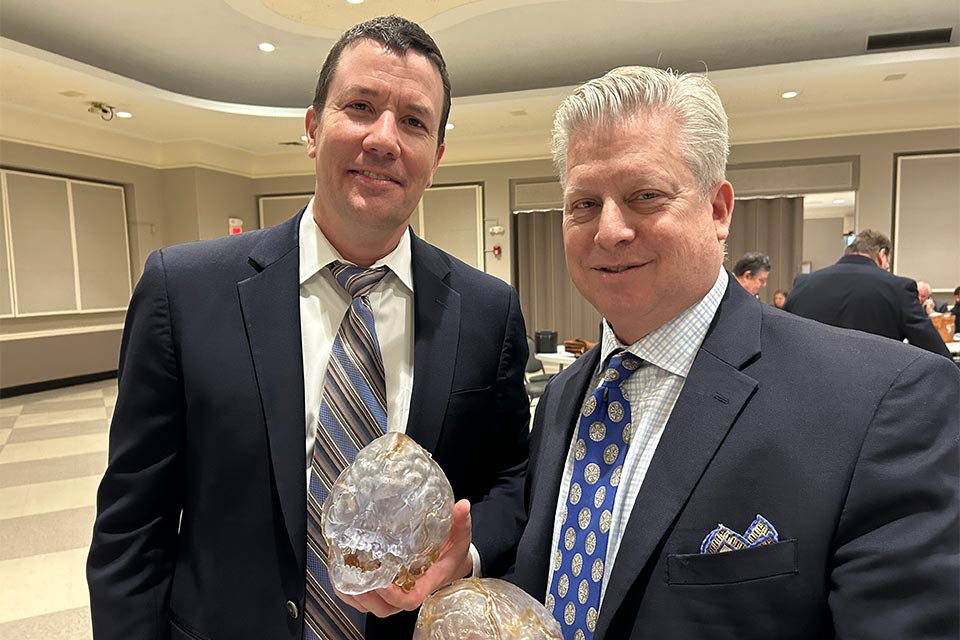
Shriners Children’s locations offer advanced treatments and services such as craniofacial surgery, 3D printing for jaw surgeries, facial and dental imaging, psychology, speech therapy, audiology, ear, nose and throat surgeons, dental and orthodontic related services, and care management. Our family-centered approach celebrates the journey of each patient, inviting the parent to collaborate with specialists to create the best treatment plan for their child.
We are proud that multiple Shriners Children’s locations are American Cleft Palate Craniofacial Association approved teams. Our plastic surgeons have undergone additional training to evaluate and treat craniofacial conditions in children.
Because Shriners Children’s provides all care and services regardless of a family’s ability to pay or insurance status, physicians and families are able to consider every appropriate treatment option available. Learn more below about the pediatric craniofacial conditions we treat and our commitment to the overall well-being of your child.
Specific treatments and services may vary by location. Please contact a specific location for more information.
Specialized Care as Your Child Grows
Care for your child may begin and end in infancy, or continue until they are fully grown. Our doctors and specialists are even available to consult with parents who are adopting, or expecting a baby who has been diagnosed in utero, with a craniofacial difference; for example: cleft lip/cleft palate.
Many craniofacial differences will require multiple surgeries to improve the way a child’s face and head looks and functions. Our surgical techniques minimize visible scars and help patients enjoy a normal full life.