
Arthrogryposis

Arthrogryposis is a number of rare, non-progressive muscle disorders causing stiff joints and abnormal development of muscles. From the Greek word meaning “curved joint,” children with arthrogryposis are born with a limited range of joint motion.

There are four types of arthrogryposis:

Amyoplasia: The most common type of arthrogryposis is an overall lack of muscular development and growth with contracture, a loss of joint motion, and deformity of most joints. Babies diagnosed with amyoplasia have dense fibrous tissue and fat instead of skeletal muscle.

Distal Arthrogryposis: This type affects only several joints usually in the hands and feet, and range of motion may be mildly limited.

Classic Arthrogryposis: Usually affecting the hands, wrists, elbows, shoulders, hips, feet and knees in various degrees of severity. The most severe can affect almost every body joint, including the back and jaw. Joint contractures, or loss of joint motion, are frequently accompanied by muscle weakness which contributes to the limited movement.

Syndromic Arthrogryposis: This type affects the internal organs as well as the muscle and joint systems. Internal organ involvement can include breathing problems, feeding problems, possible speech disorders and in some cases, mental retardation.

Some factors that can limit joint movement before birth include:

  • Improperly or incorrectly developed muscles
  • Limited room in the uterus for normal movement
  • Improper formation of the central nervous system and spinal cord
  • Abnormal development of the muscles, tendons, bones or joints
  • Genetic, the condition is passed from parent to child

Symptoms of Arthrogryposis

The specific joint contractures in infants vary, but there are several common characteristics that include:

  • A child’s arms and legs are affected, with the most deformity in the wrists and ankles
  • Arm and leg joints may not be able to move
  • Arm and leg muscles are thin and sometimes absent
  • A newborn’s hips may be dislocated

Some infants diagnosed with arthrogryposis may have facial deformities, curvature of the spine, genital deformities, cardiac and respiratory problems and skin defects.

Diagnosis of Arthrogryposis

There are several ways to diagnose arthrogryposis and they are:

Blood Tests: A simple blood test can detect if a newborn has arthrogryposis.

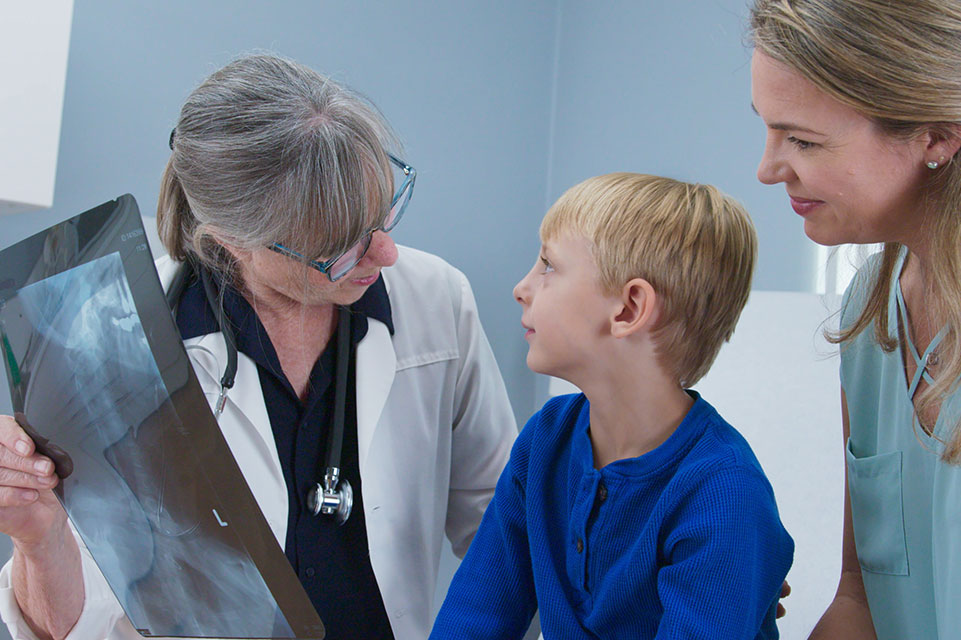
X-rays: In many cases, X-rays are taken to confirm an arthrogryposis diagnosis and to evaluate stiff of dislocated joints.

Muscle Biopsies: Another method to diagnose arthrogryposis is to take a muscle sample where any joint deformity can be detected.

Treatment of Arthrogryposis

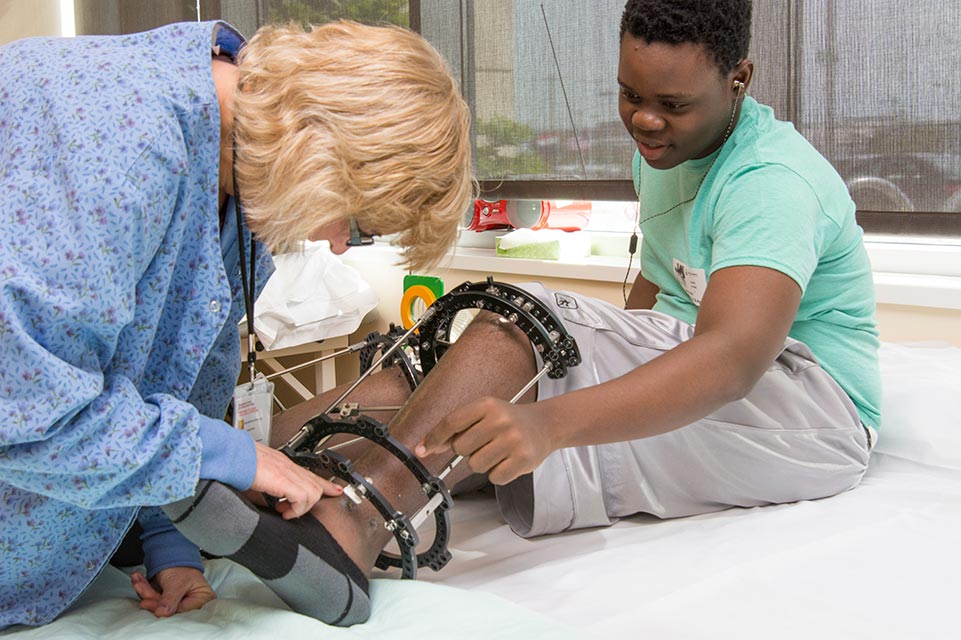
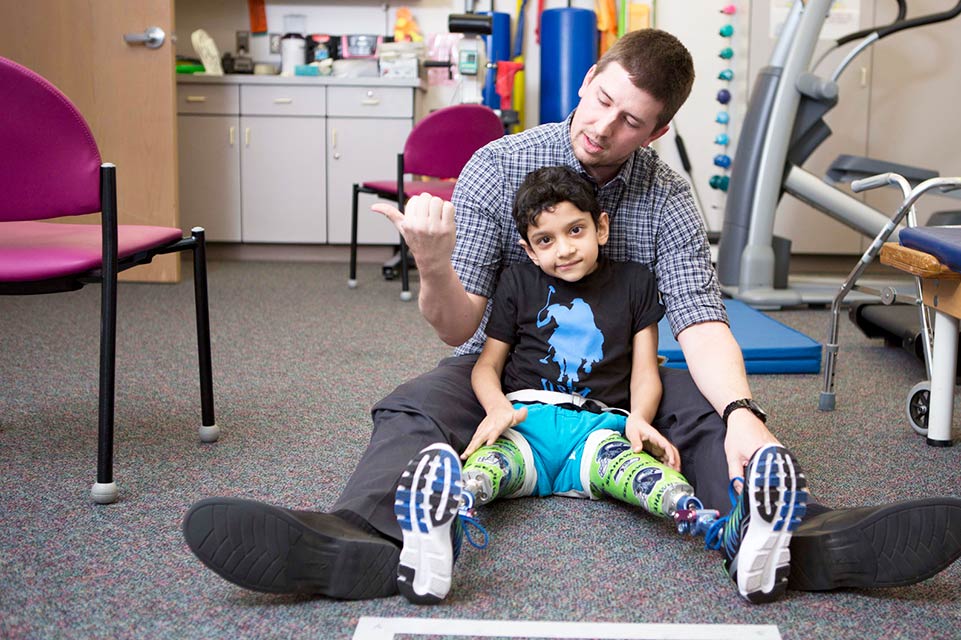
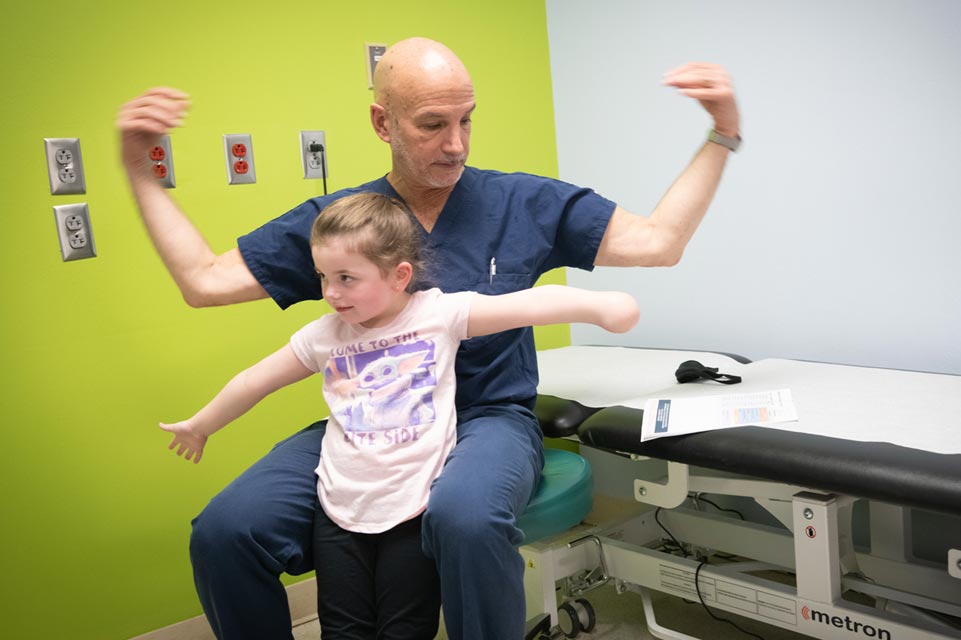
For most types of arthrogryposis, a rigorous treatment of physical and occupational therapy can be successful in the improvement of the range of motion of the affected joints. Here are some treatment options that Shriners Hospitals for Children® offer:

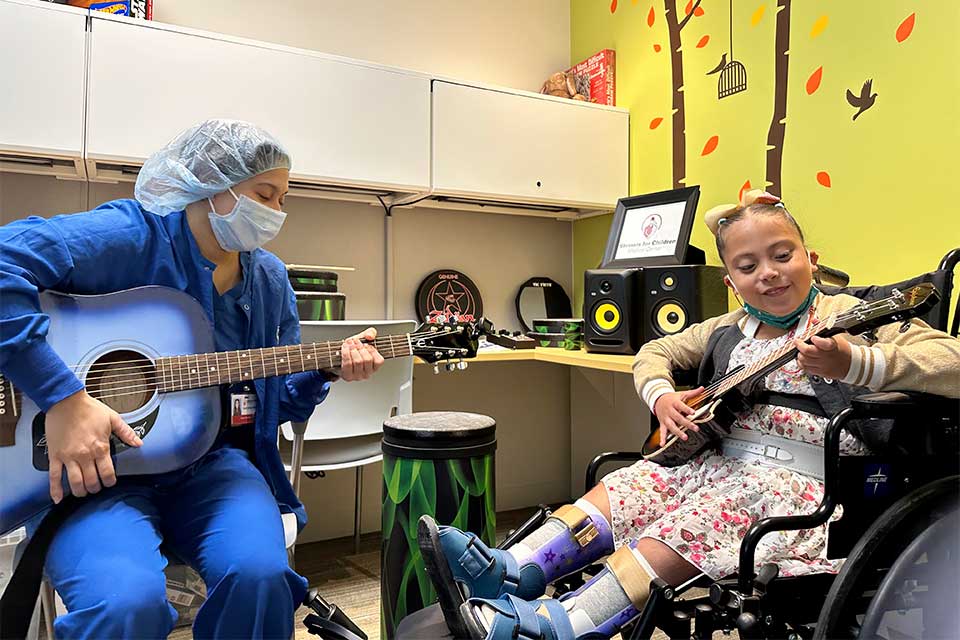
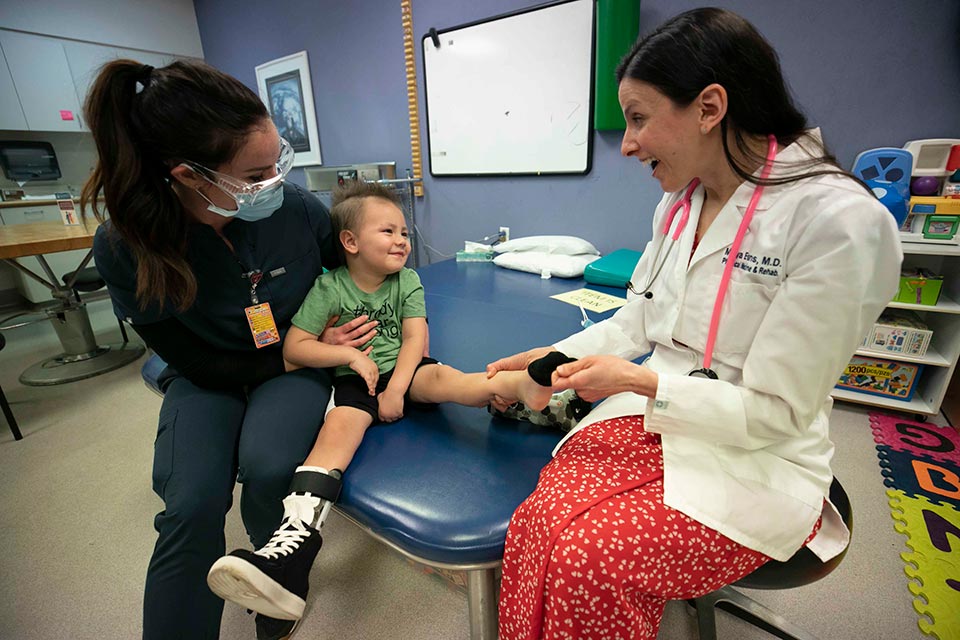
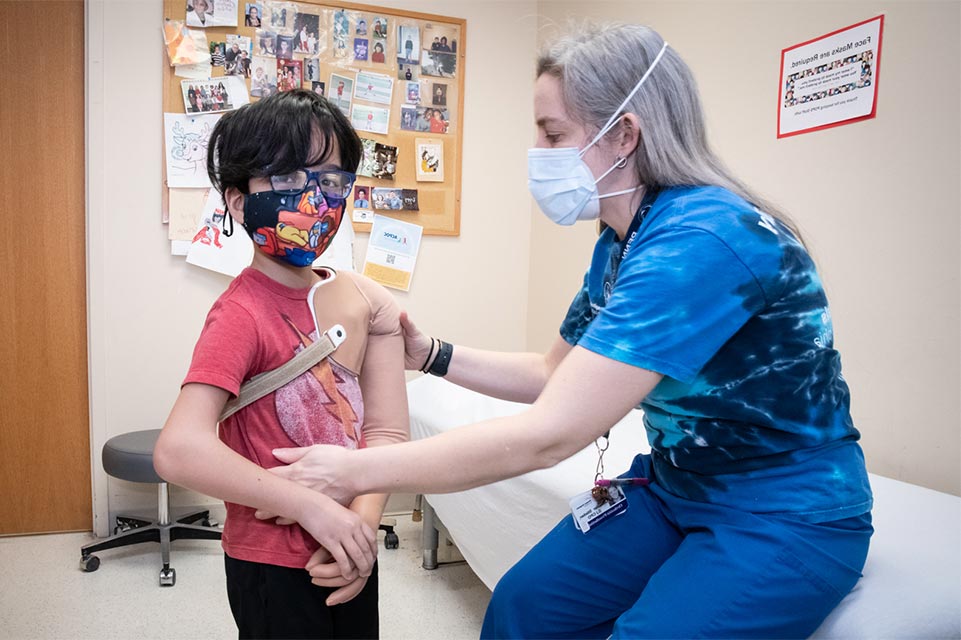
Splints: Splints are made to increase the stretching exercises and increase the range of motion. Casting is frequently done to improve foot position. Removable splints can be used on knees and feet to allow exercises, but some patients experience significant results by wearing splints at night.

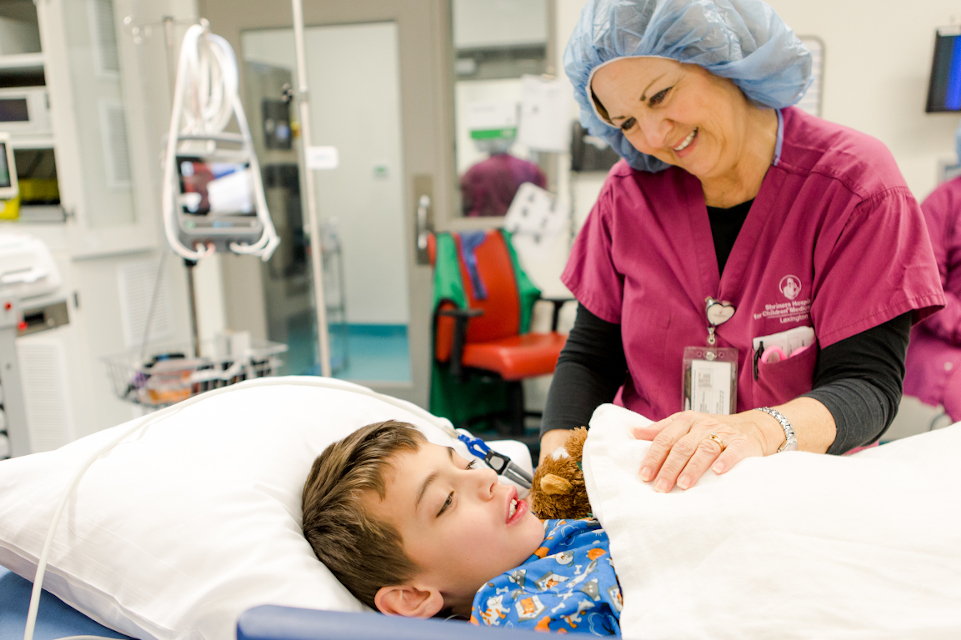
Surgery: Some children may require surgery to address any deformities that the child may have been born with, and can include elbows, feet, hips, knees and wrists. Surgery is generally recommended after if more range of motion is needed after therapy has achieved maximum results.