
Charcot-Marie-Tooth Disease

Charcot-Marie-Tooth disease (CMT) affects one in 2,500 children in the United States. It is an inherited neurological disorder, which is actually a group of disorders that affect peripheral nerves. Peripheral nerves connect the brain and spinal cord to muscles and organs in the body so that all of the body's activities are coordinated. These nerves start at the spinal cord and end on a connection with one of the muscles or internal organs of the body. Named for the three doctors who first identified the disease in 1868, it is also referred to as hereditary motor and sensory neuropathy.

CMT is caused by changes or mutations in protein-producing genes that affect the function of the peripheral nerves.

There are different types of CMT that are based upon several types of gene mutations.

Symptoms of Charcot-Marie Tooth Disease

Children diagnosed with CMT disease have varying degrees of symptoms that may include the following:

  • Foot drop
  • Foot deformities, including high arches and hammer toes
  • Loss of muscle in lower legs
  • Hand weakness

Diagnosing Charcot-Marie-Tooth Disease

Your child’s doctor will conduct a neurological examination in which they will look for any muscle weakness in the arms, feet, hands and legs, decreased muscle bulk, as well as reduced tendon reflexes and any sensory loss. They may also look for any foot abnormalities and orthopaedic problems such as hip dysplasia or mild scoliosis.

They may recommend that your child undergo the following tests:

Nerve conduction study: This involves placing electrodes on the skin over a peripheral motor or sensory nerve. The electrodes produce an electrical sensation that stimulates these nerves and offers measurable information for your child’s doctor to use to make a diagnosis.

Electromyography: This process requires inserting a needle in the skin to get a measurement of the bioelectrical muscle activity. If there are abnormalities in the readings it may reveal muscle degeneration.

Nerve biopsy: It may be necessary for your child to undergo a nerve biopsy. A very small piece of the peripheral nerve is removed, usually in the calf of the leg, and then examined under a microscope.

Treatments offered for Charcot-Marie-Tooth Disease

While there is no cure for CMT, Shriners Hospitals for Children® does offer treatment plans based on the severity of your child’s symptoms.

Some of the treatments offered include:

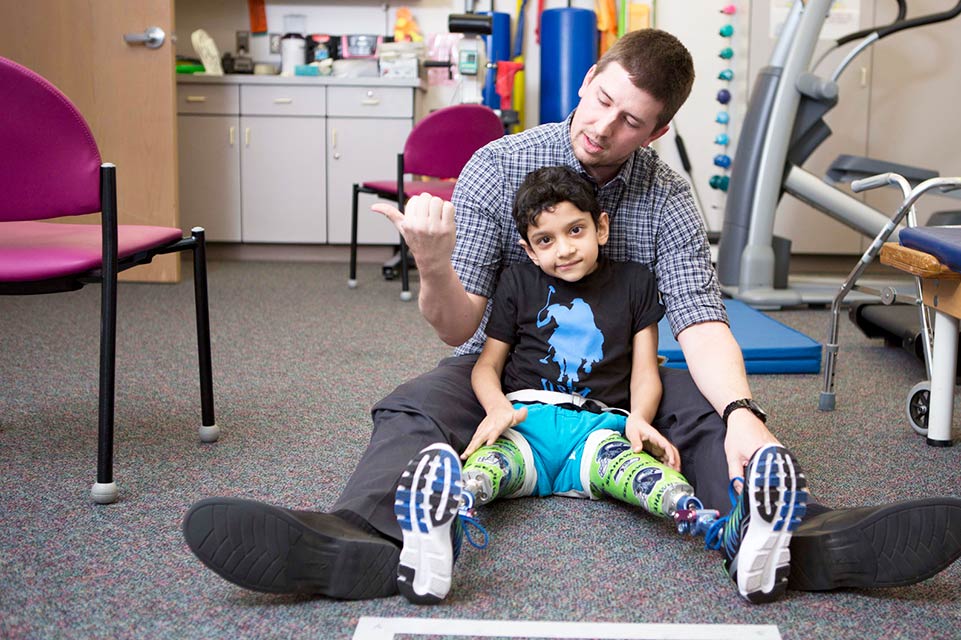
Occupational and physical therapy: Your child will work with therapists on a specific program recommended for their individual needs. This may include exercises for muscle strengthening, stamina training and some moderate aerobic exercise. Stretching is also an important part of treatment as it prevents or eliminates joint deformities.

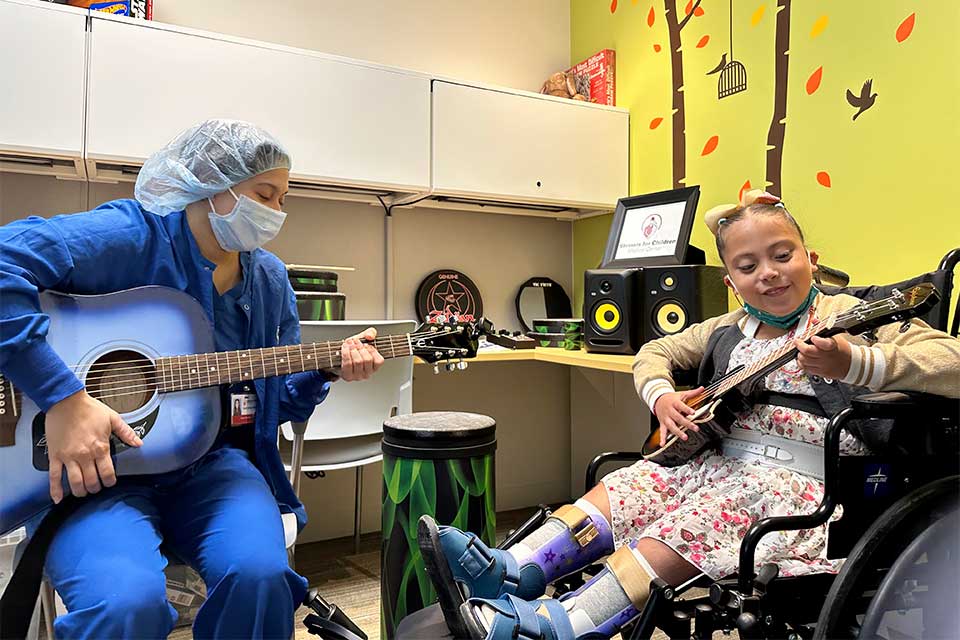
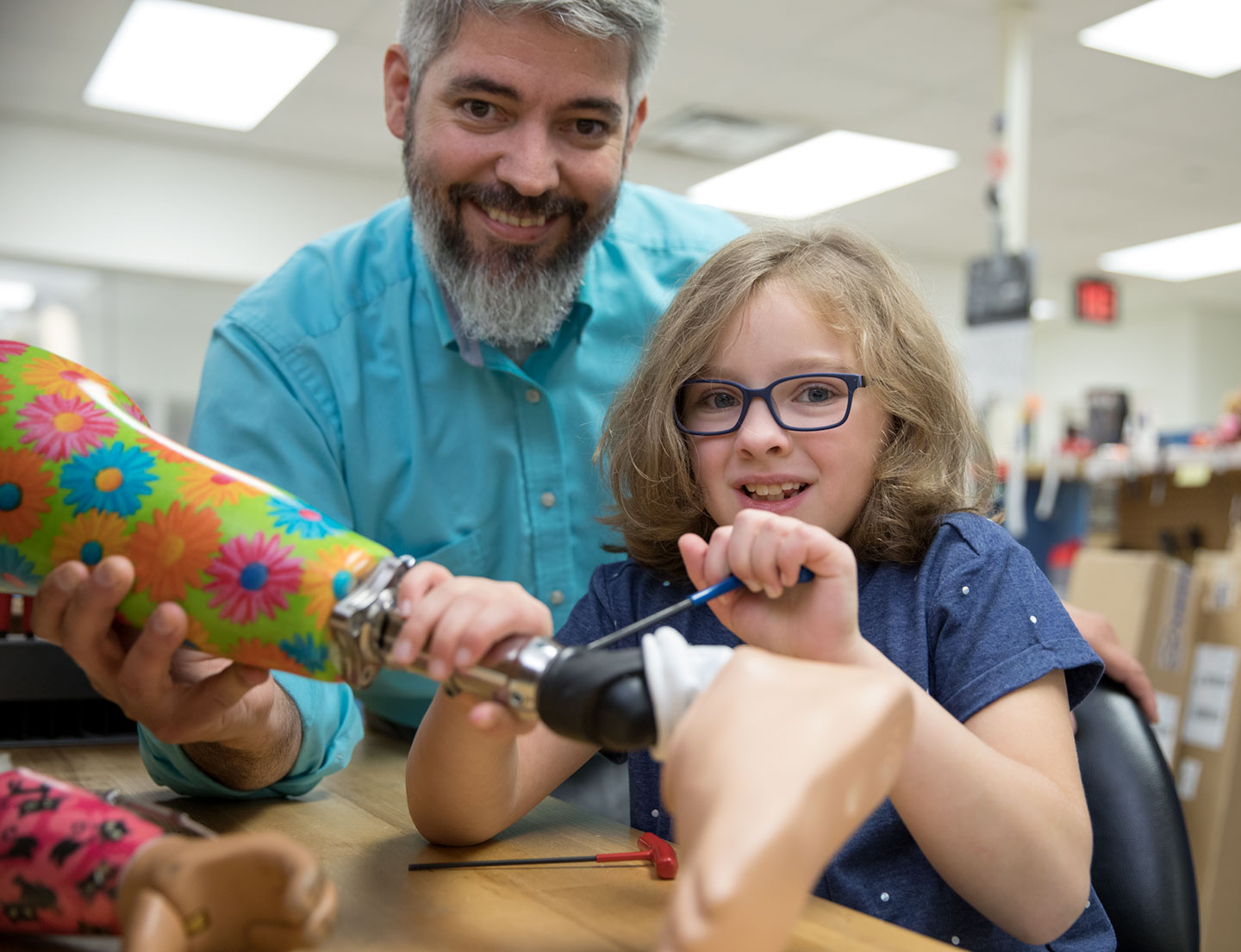
Bracing and Orthopaedic Devices: Your child’s doctor may prescribe bracing for your child’s ankles to provide support and stability in everyday functions such as walking and climbing stairs.

Thumb splints can assist your child with hand weakness and provide the necessary support.

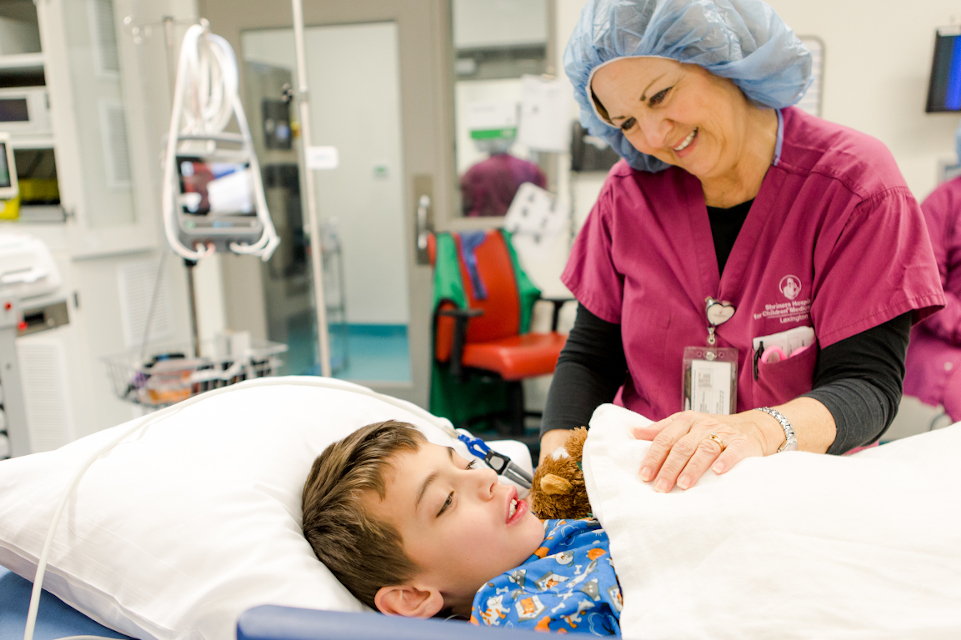
Surgery: In some cases, your child may require surgery to reverse any joint or foot deformities. The specific type of surgery depends upon the severity of their condition and what the doctor feels is the appropriate treatment for your child.