

Cerebral Palsy

Cerebral Palsy (CP) is a group of disorders affecting the muscle tone, movement and motor skills, which is the ability to move in a coordinated and purposeful manner. CP is the most common disorders existing before during or after birth of children and into childhood up to 5 years-old.

Brain damage in infancy or early childhood has been linked to developing CP. A baby or toddler may suffer this damage due to bacterial meningitis, lead poisoning, being shaken as an infant, or being in an automobile accident without the appropriate restraints. CP can also lead to other health issues such as brain damage, vision, hearing and speech problems and learning disabilities, urinary incontinence and seizures.

There are three types of Cerebral Palsy:

Ataxic Cerebral Palsy – This type causes a disturbance in balance and depth perception.

Athetoid Cerebral Palsy – This leads to involuntary and uncontrolled movements.

Spastic Cerebral Palsy – The most common type of Cerebral Palsy, this causes stiffness and movement difficulties.

Although the specific causes of Cerebral Palsy are not known, many are a result of a problematic pregnancy where the fetus’ brain is either damaged or does not develop normally. Some factors may increase the risk of Cerebral Palsy and include:

  • Premature birth of babies who are born less than 37 weeks into the pregnancy are at a higher risk of CP
  • Low birth weight, or newborns weighing less than 5.5 pounds
  • Breech births, babies who are delivered in a feet-first position
  • Multiple babies sharing the same uterus; and the risk increases should one or more of the babies die
  • Toxic substances where the mother was exposed to a toxin such as mercury
  • Mother’s health is an important factor, and women who have thyroid problems, mental retardation or seizures are at a greater risk of delivering a baby with CP, and other health issues that the mother may have had in her life affecting the risk are:
  • German measles, also known as rubella
  • Chickenpox
  • Cytomegalovirus-a member of the herpes virus, and if contracted while pregnant, the mother can infect her baby
  • Toxoplasmosis-a parasite evident in infected cat feces and soil, this can harm the fetus
  • Syphilis-a sexually transmitted disease, this can harm the fetus

Symptoms of Cerebral Palsy

Children with CP can exhibit a wide range of symptoms that can be mild or severe. Some markers to look for in your child may include:

  • Lack of muscle coordination when engaged in voluntary movements-especially prevalent in ataxia types
  • Stiff muscles and exaggerated reflexes-found in spastic types
  • A child may walk with one foot or leg dragging
  • Variations in muscle tone, ranging from too stiff or too floppy
  • Excessive drooling or difficulties speaking, sucking or swallowing
  • Tremors, a muscle contraction
  • Difficulty engaging in precise motions like writing or buttoning a shirt

Any brain injury causing cerebral palsy does not change with time, meaning that these symptoms do not generally worse as the child ages.

Diagnosing Cerebral Palsy

CP may be diagnosed early on in a child’s life, if they were a premature birth or the mother’s health problems. It is important to closely follow your child if they were a premature birth, or if the mother suffered the health issues previously mentioned.

If your child was carried to term with no other obvious CP risk factors, it may be sometimes difficult to diagnose CP within the first year of your child’s life. Many times, a doctor is not able to make the appropriate diagnosis until there is a delay in normal developmental milestones such as the ability to reach for objects by four months or sitting up at seven months.

Some other factors in diagnosing CP may include:

  • Abnormal muscle tone
  • Poorly coordinated movements
  • Persisting infant reflexes still present at an age where they should disappear

Sometimes if the symptoms are mild, the diagnosis may not be made until your child is a toddler.

Treatment

Since the type and severity of cerebral palsy greatly vary from case to case, your child’s treatment will be based on their specific issues and conditions.

Shriners Hospitals for Children® offer the following treatments for cerebral palsy:

Movement Analysis: Movement analysis is an important part of understanding how your child walks. Because children with CP often have difficulty walking normally, motion analysis is used to fully understand how the muscles and bones function, and how they can be helped to function more smoothly or effectively. A Movement Analysis study is done in our Motion Analysis Labs. Small reflective sensors are attached to different areas of the body. These sensors allow special cameras placed around the Motion Analysis Lab to track how the muscles are working. Computers then analyze these pictures to give the medical team a thorough understanding of how the legs and body are moving.

If you are preparing for a motion study for the first time you probably have some questions about what will happen and how to prepare. Click here for answers to frequently asked questions about the Motion Analysis Lab.

Medications: Your child may need certain drugs to control or prevent seizures associated with cerebral palsy. Since there are various types of seizures, combinations of drugs may be prescribed that are best suited to your child’s specific condition. Drugs can also be used to reduce spasticity, stiff or rigid muscles that can affect movement, general movements, talking and walking.

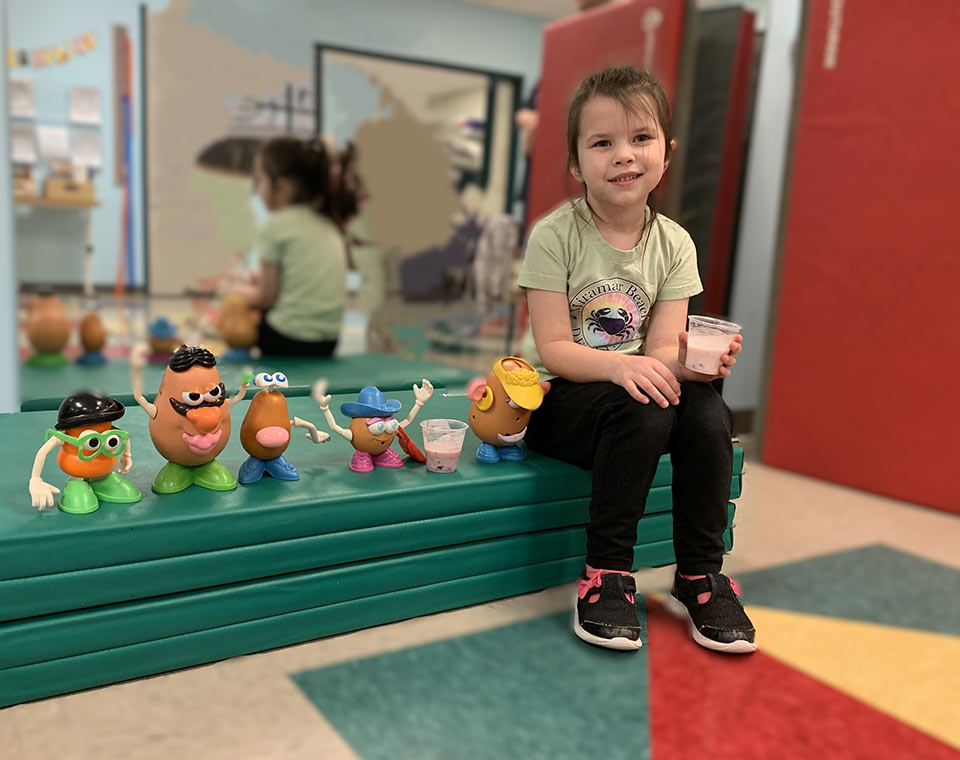
Occupational Therapy: Your child may work with an occupational therapist who works with them to improve the development of the small muscles of the body such as their face, feet, fingers, hands and toes. The therapist may also teach your child how to perform daily activities such as eating and dressing along with showing them easier ways to brush their teeth, draw, use scissors and more.

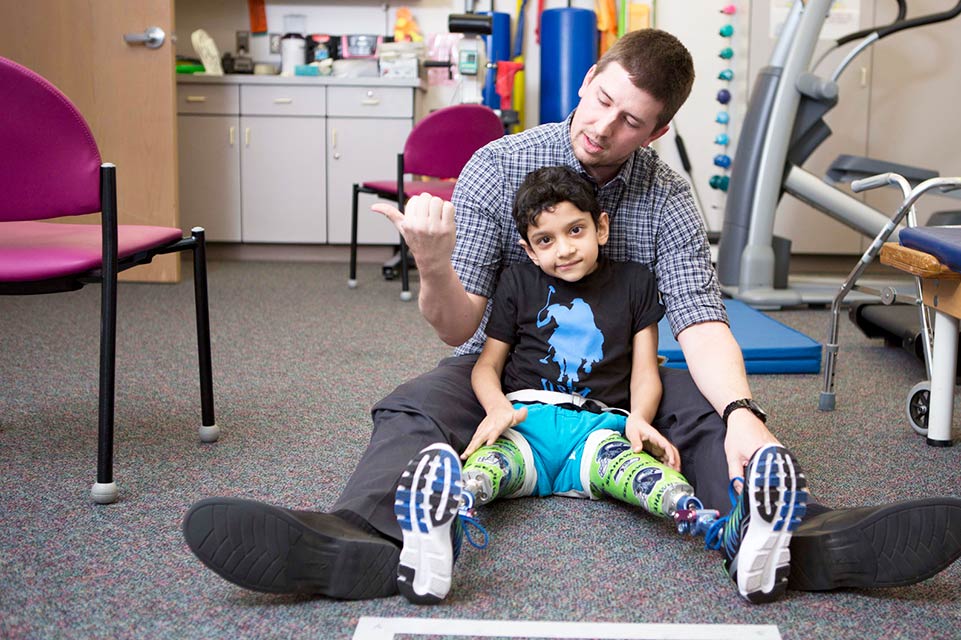
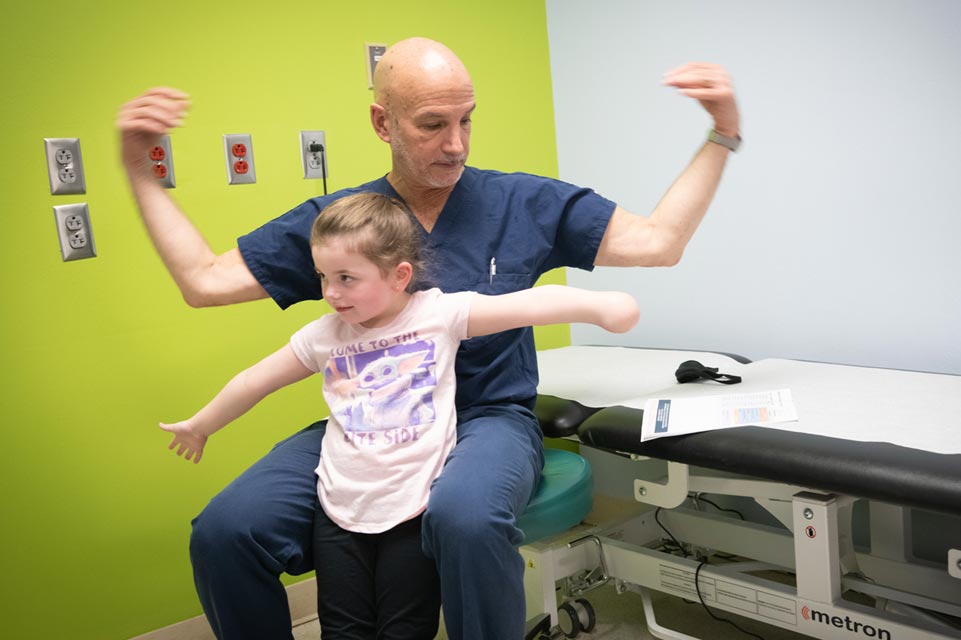
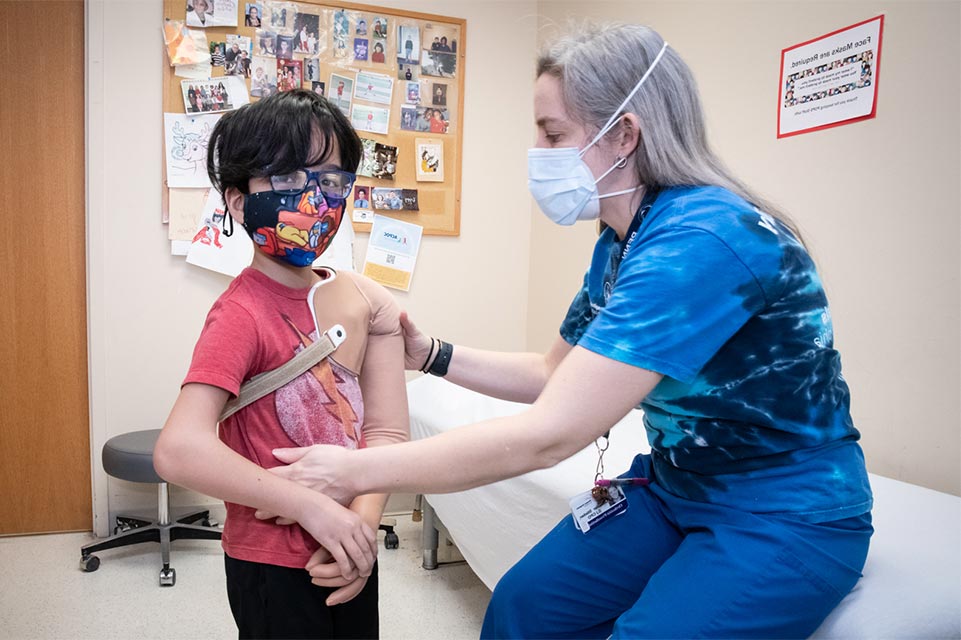
Physical Therapy: A physical therapist specializes in helping with the development of the large body muscles such as those found in the abdomen, arms and legs. Your child may work with a physical therapist to learn easier ways to balance and move. They can help your child learn to walk, stand by themselves, safely go up and down stairs or use a wheelchair. Physical therapy is usually prescribed soon after your child has been diagnosed with cerebral palsy to prevent any further deterioration or weakening of muscles that can result by not moving.

Speech Language Therapy: Your child may need help with their speech and language. A speech and language therapist helps develop better control of the jaw and mouth muscles which can result in better eating and communication skills. Some children with cerebral palsy are unable to talk and the therapists can build their language skills be it through teaching sign language or using special equipment.

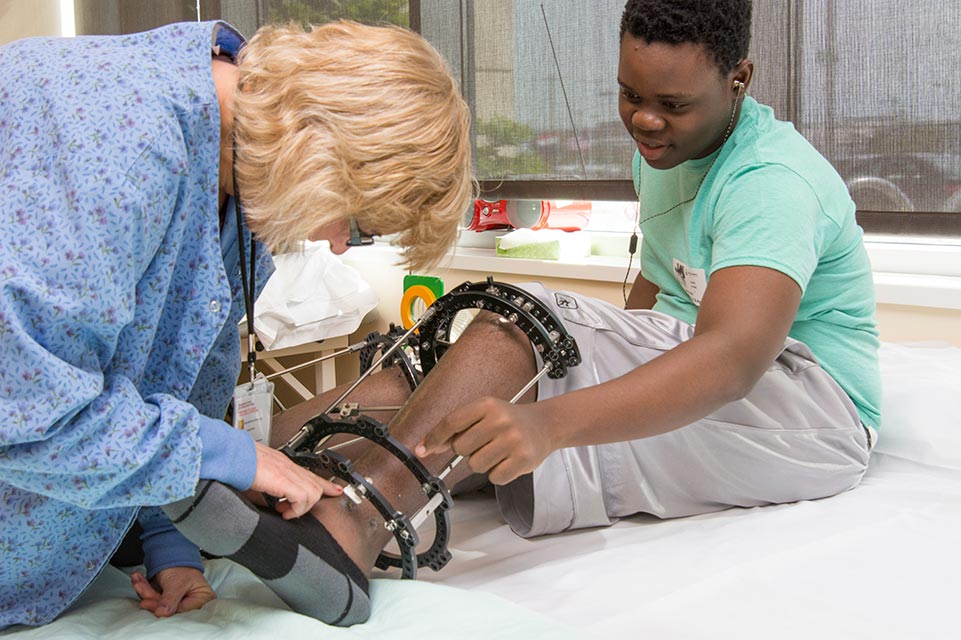
Surgery: While surgery is not always needed, it can sometimes improve muscle development, correct contractures, and reduce spasticity in the legs. Your child may need surgery for tendon lengthening which can help them in their ability to walk and improve their balance.