
Osteomyelitis is an infection of the bone caused by bacteria. The most common bacteria are staphylococcus aureus, but other germs can cause this condition. Germs or bacteria generally enter the body through an open wound, such as when a broken bone breaks the skin, but the bacteria can also travel to a bone through the bloodstream from another infected area in the body. Children usually have osteomyelitis in the growth plates at either end of the long bones of their arms or legs.
Some of the causes of osteomyelitis are:
Through the bloodstream: Germs in other parts of the body can travel to the growth plates and cause infection.
Symptoms of Osteomyelitis
Infants or small children with osteomyelitis often do not exhibit any symptoms and the condition can sometimes be hard to detect. Some of the common symptoms are:
- Fever or chills
- Irritability or extreme fatigue
- Pain in the infected area
- Swelling, redness and warmth over the infected area
- Some teens with osteomyelitis may feel that the injured area is hurting again after initially getting better
Diagnosing Osteomyelitis
Your child’s doctor will conduct a physical examination and ask about any recent injuries to the area that is painful or symptomatic. Some testing may be done to confirm the diagnosis. These tests may include:
Blood Tests: This test can determine if your child’s white blood cell count is high, a sign of infection, and can be a signal to look for further signs of inflammation, swelling or infection in the body.
Imaging Tests
-
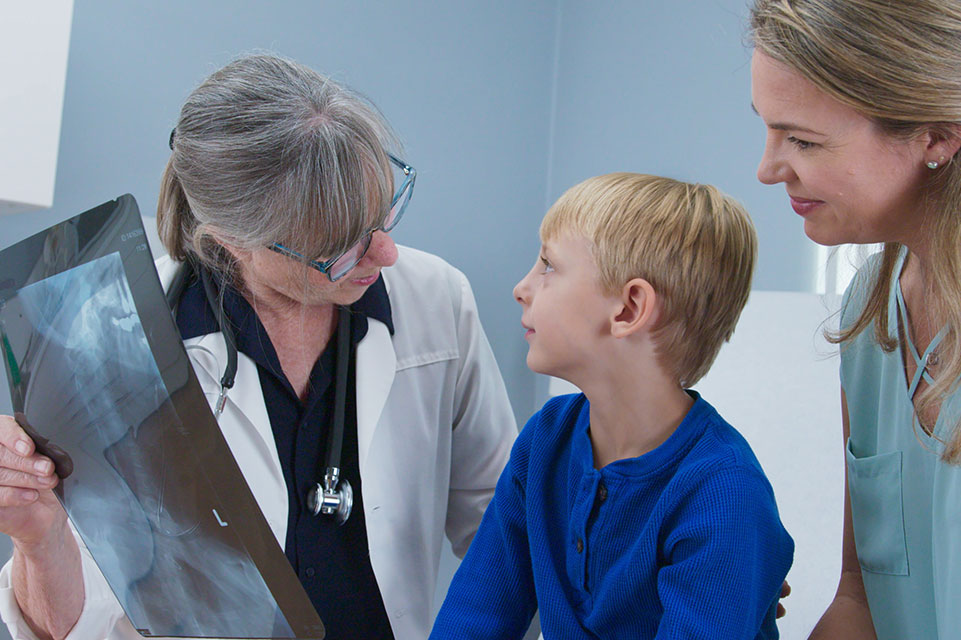
X-rays: In some cases an X-ray can show bone damage. However, this may not be visible until osteomyelitis has been present for several weeks.
-
CT Scan: A CT scan combines the X-ray images taken from many different angles and creates a detailed view, making it easier to diagnose osteomyelitis.
-
MRI: An MRI (magnetic resonance imaging) produces highly detailed images of bones and the surrounding soft tissues, and can be used to diagnose osteomyelitis.
Bone Biopsy: Your child’ doctor may order a bone biopsy, which is the best way to determine what type of bacteria has infected your child’s bone. Knowing the exact type of bacteria allows your child’s doctor to prescribe the appropriate antibiotic for their specific infection. In some cases, the bone biopsy may require your child to be anesthetized while a long needle is inserted into the infected area.
Treatment of Osteomyelitis
The treatment of osteomyelitis depends upon the severity of the infection. Some of the treatments offered by Shriners Hospitals for Children® include:
Medications: If your child had a bone biopsy, the doctor will prescribe the antibiotic that will work best for the specific infection. The antibiotics are usually given through a vein in their arm for a specified period.
Surgery
Depending upon the severity of your child’s osteomyelitis, a surgical procedure may be required. Surgical options include:
Drainage of infected area: This surgery involves opening up the infected area around your child’s bone and allowing the infection to drain any accumulated fluid.
Removal of diseased bone or tissue: This procedure is called debridement. The surgeon removes as much of the diseased bone or surrounding infected tissue as possible, sometimes taking a small margin of healthy bone to guarantee that all infected areas are gone.
Restoring blood flow to the bone: This procedure often accompanies the debridement surgery. Your child’s surgeon may fill any empty space left by the removal of the infected bone or tissue with skin or muscle from another area of your child’s body. These are known as temporary fillers and are placed in the area until your child is ready for a bone or tissue graft, which helps repair damaged blood vessels and form new bones.
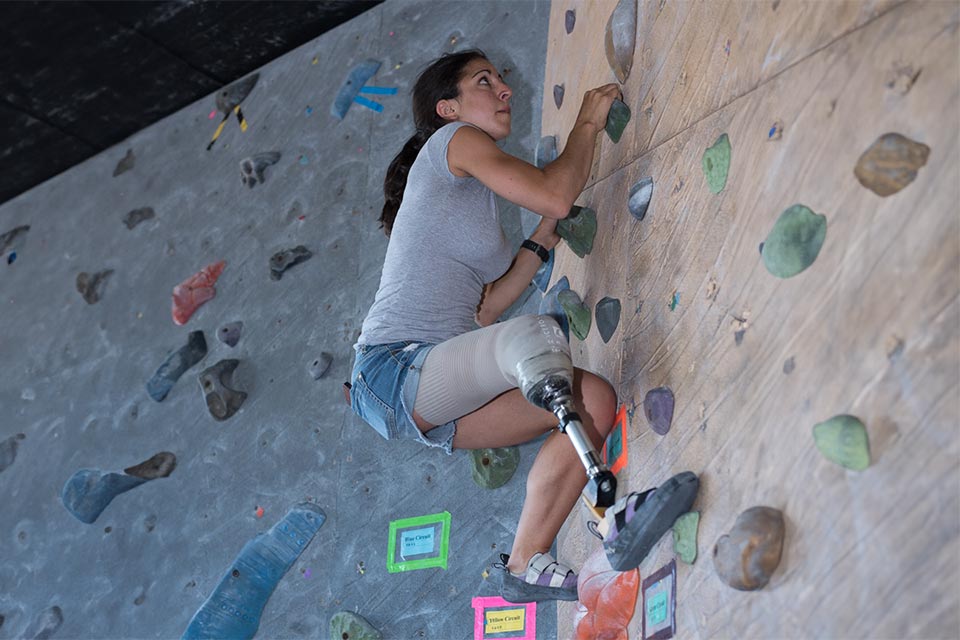
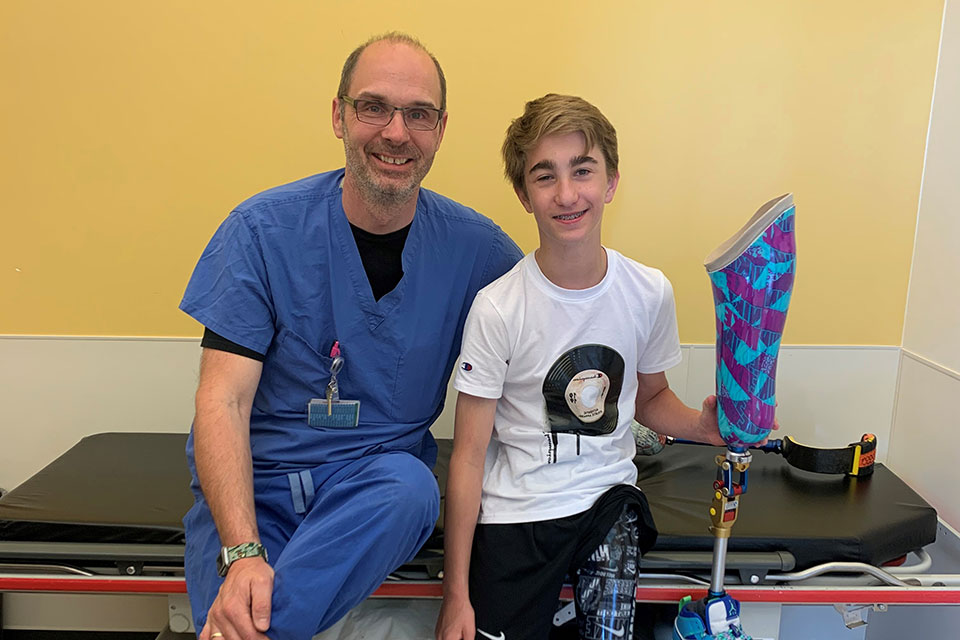
Amputation: In the most severe cases and if your child has not responded to other treatment, it may be required that the affected limb be amputated to prevent further spreading of the infection.