
Spondylolysis and Spondylolisthesis

Spondylolyisis is a defect in one of the vertebrae, the bones that make up the spine. The defect is located in the section of the veterbra known as the pars interarticularis, the bony ring where the spinal cord passes, usually in the 4th and 5th lumbar vertebrae. Spondolyisis is among the most common causes of lower or lumbar back pain in teens.

Spondylolisthesis is a condition when the spondylolytic defect weakens the vertebrae to the degree that it cannot maintain its appropriate position as it relates to the bones below and may start to slip out of position.

Spondylolysis may lead to spine slippage or spondylolisthesis.

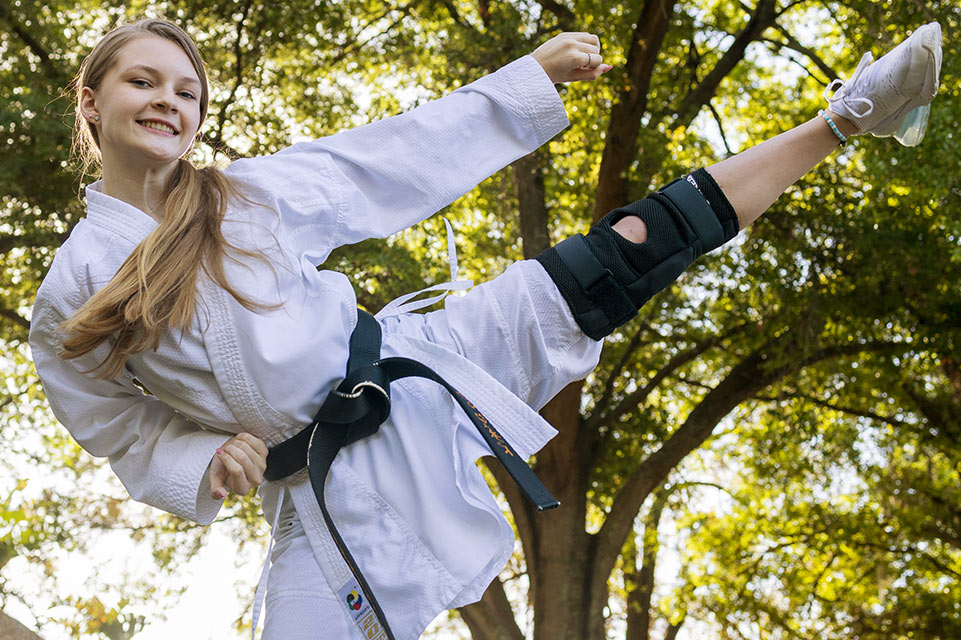
Both of these conditions are the most common causes of ongoing or chronic back pain in children. Kids who are active in sports that require them to frequently arch their backs such as gymnasts, football players, softball pitchers, swimmers and divers, volleyball players and weight lifters, often contract stress fractures more than their peers.

Symptoms

The symptoms of spondylolysis and spondylolisthesis are quite similar and may include:

  • Low back pain that worsens with spine extension and impact activity such as running and jumping
  • Pain that may radiate to buttocks and thighs
  • Sometimes muscle spasms occur as a response to the injury; these spasms can be painful and result in awkward posture and walking

Diagnosing Spondylolysis and Spondylolisthesis

Your child’s doctor will review their symptoms and examine their back to check for range of motion or any tenderness of the vertebrae, as well as any seizing or tightness of overlying muscles. Further testing may include:

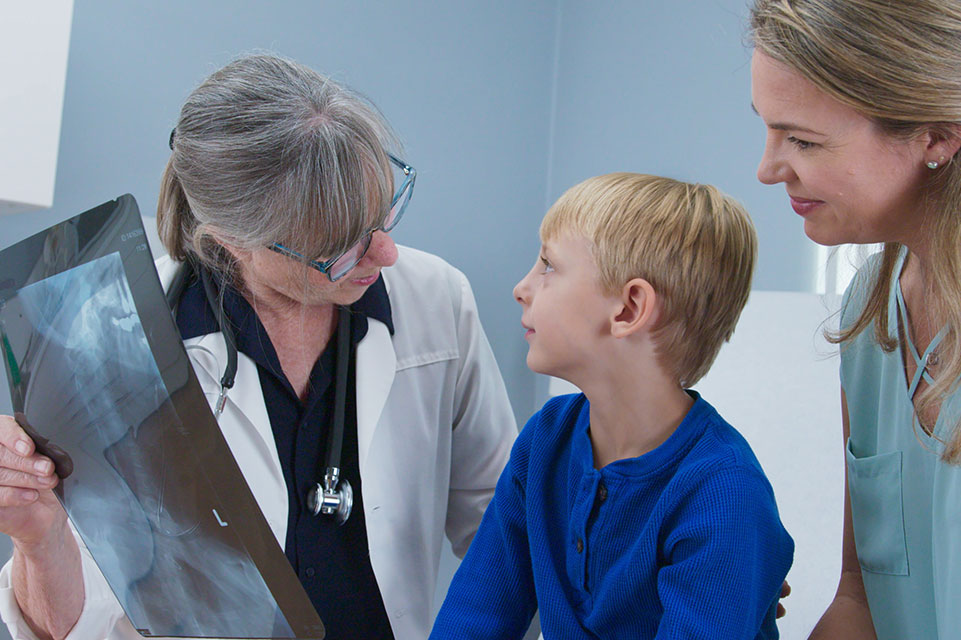
X-Ray: An X-Ray may reveal spondylolysis by showing the small cracks or stress fractures, although it can miss some hidden defects.

Bone/CT Scan: A bone or CT scan is more precise or sensitive, and can more accurately determine if spondylolysis or spondylolisthesis is present.

Treatment offered for Spondylolysis and Spondylolisthesis

Shriners Hospitals for Children offers treatment for spondylolysis and spondylolisthesis with the goal of your child returning to their daily activities, including sports activities.

Treatments include:

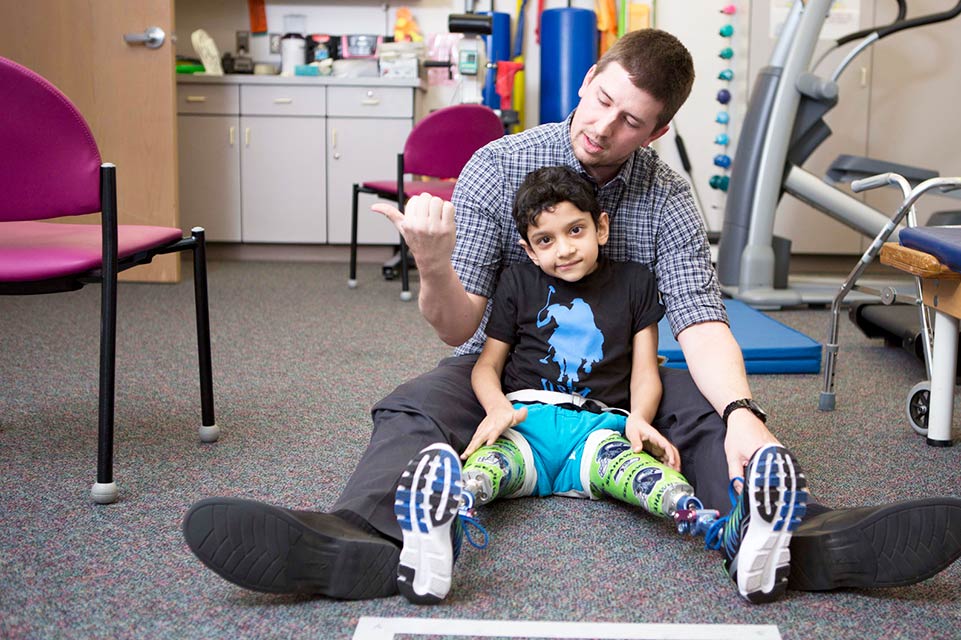
Physical Therapy: Your child will work with a physical therapist who will teach them exercises to strengthen their back and abdomen, which help support the lower back.

Braces: Should your child’s condition require that their lower spine’s curve be corrected, they may need to wear a brace, depending on the severity of the curve. Your child’s doctor will recommend how long they should wear the brace.

Surgery: In rare cases, surgery may be required. Depending upon the severity of your child’s condition, your doctor will recommend the appropriate surgery for relief of back pain or any spine curvature.